

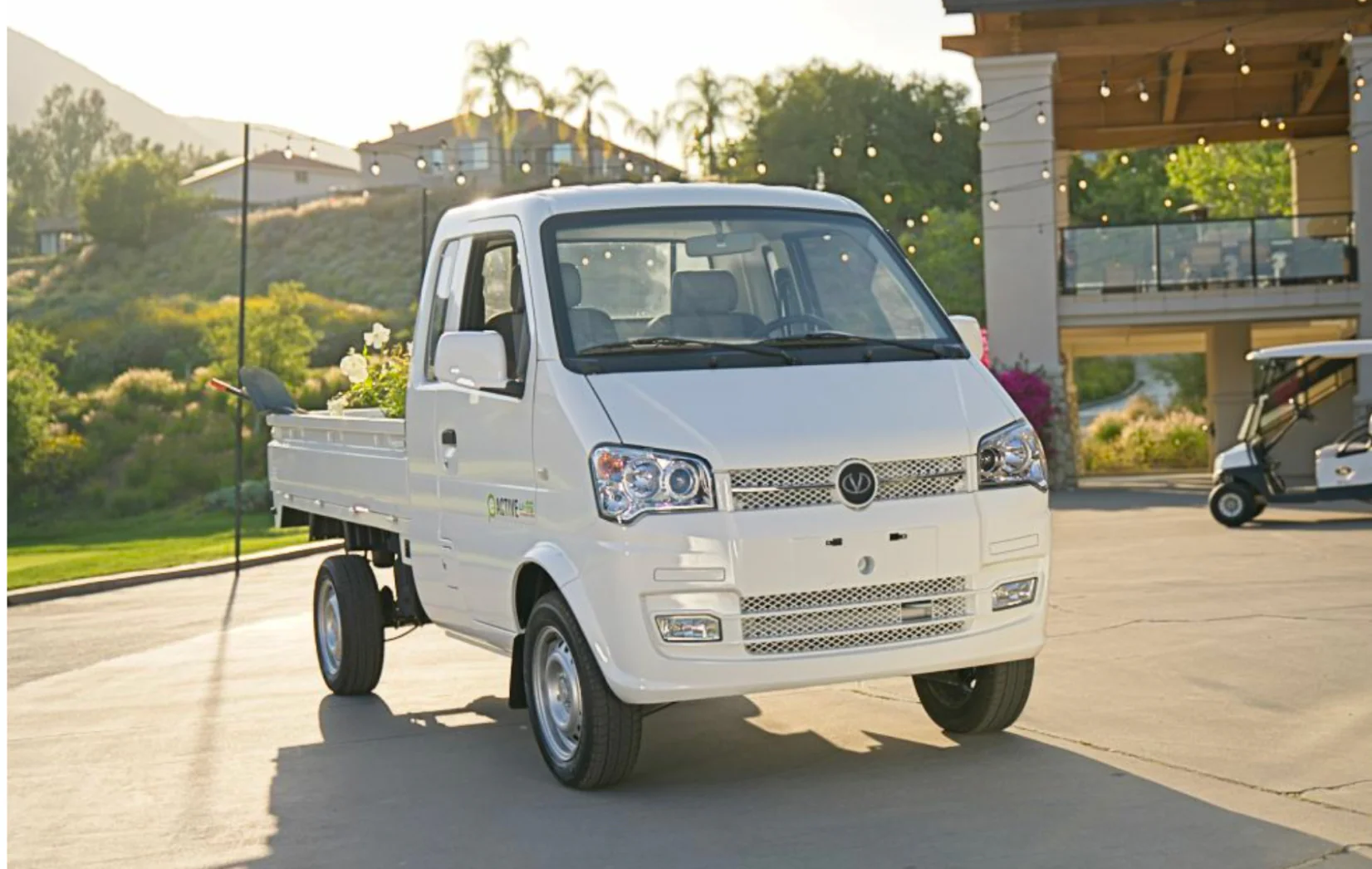
The modern automotive landscape is often dominated by headlines about luxury electric sedans and high-performance sports cars. However, in the background, a quieter revolution is taking place in the world of specialized transportation. As urban centers become more congested and corporations face mounting pressure to reduce their carbon footprints, the demand for nimble, efficient, and versatile utility vehicles has skyrocketed. Vantage Vehicle, a California-based manufacturer with over twenty-five years of experience, has carved out a unique position in this market. By focusing on low-speed vehicles (LSVs) and small-task utility trucks, the company has proven that the most significant innovations often come in the smallest packages.
Versatility Through Modular Design
What truly distinguishes Vantage from its competitors is its commitment to customization. In the modern market, many manufacturers offer a “one-size-fits-all” approach to utility vehicles, forcing businesses to adapt their operations to the limitations of the car. Vantage takes the opposite approach. Their vehicle platforms, including the popular e-Active line of trucks and vans, are designed to be modular. A single chassis can be configured as a cargo van, a passenger shuttle, a flatbed truck, or even a specialized refuse vehicle.
This adaptability extends to the interior and specialized accessories. Whether a university needs ladder racks for maintenance crews or a resort requires a climate-controlled cabin for guest transportation, Vantage can tailor the vehicle to the specific task. This “right-sizing” of equipment is a major draw for fleet managers who are tired of paying for the high fuel and maintenance costs of full-sized pickup trucks that are only used for short trips across a campus. By providing a vehicle that is exactly the right size for the job, Vantage helps its clients reduce overhead while improving operational efficiency.
The Engineering of Durability
Many low-speed vehicles on the market today are essentially modified golf carts, often featuring plastic bodies and lightweight frames that struggle with the rigors of industrial use. Vantage stands out by applying automotive-grade engineering to the LSV category. Their vehicles feature full-metal unibody construction, providing a level of structural integrity and safety that is rare in the small-utility world. This rugged design ensures that the vehicles can handle heavy payloads—often up to 1,500 pounds—and withstand the daily wear and tear of a work environment.
Furthermore, Vantage focuses on driver comfort as a key component of productivity. Unlike open-air utility carts, Vantage vehicles often feature fully enclosed cabins with heaters, defrosters, and optional air conditioning. This allows for all-season operation in any climate, ensuring that security patrols or groundskeeping crews can remain effective during the heat of summer or the dead of winter. By treating the LSV as a serious work tool rather than a recreational vehicle, Vantage has earned the trust of high-stakes clients, including the General Services Administration (GSA) and various branches of the military.
A Vision for the Future of Fleet Management
The modern automotive market is shifting toward a more data-driven and specialized future. Vantage is staying ahead of this curve by integrating advanced telematics and diagnostic displays into their vehicles. This allows fleet managers to monitor vehicle health, battery usage, and driver behavior in real-time. In an era where total cost of ownership is the most important metric for any business, the ability to track and optimize the performance of a utility fleet is a powerful competitive advantage.
Vantage Vehicle’s success is a testament to the power of niche expertise. While the world watches the race for autonomous passenger cars, Vantage is busy solving the practical, everyday transportation problems that keep our institutions running. By combining American-made craftsmanship with a forward-thinking approach to electric technology and modular design, they have built more than just vehicles; they have built a reputation for dependability in an ever-changing market. As organizations continue to look for ways to be more efficient, sustainable, and cost-effective, the presence of Vantage on the front lines of the utility sector is only set to grow.
