

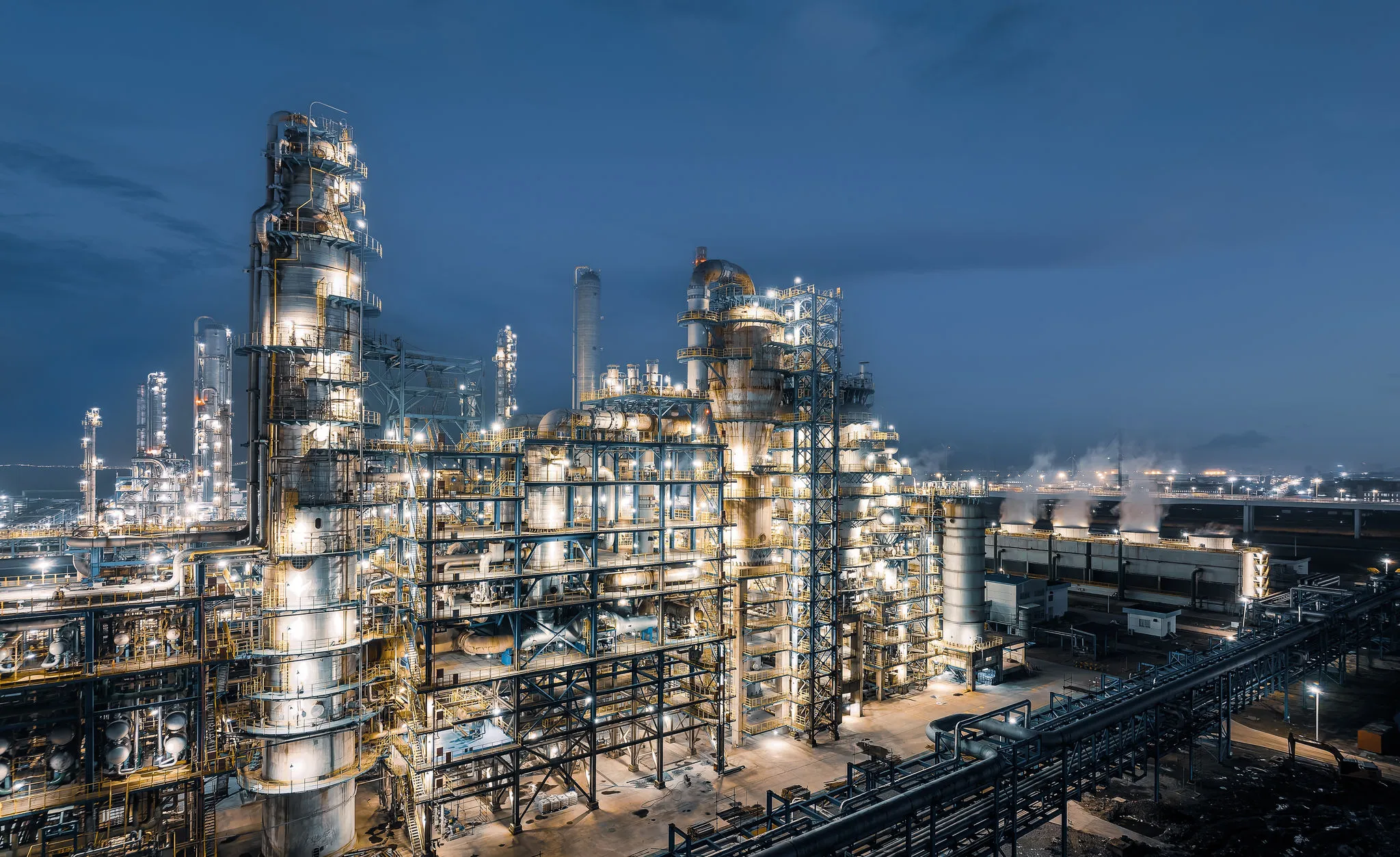
The industrial sector stands as one of the most significant contributors to global greenhouse gas emissions, accounting for approximately one-third of global energy consumption and a similar share of carbon dioxide output. While the transition to renewable electricity is well underway in residential and commercial sectors, heavy industry—encompassing steel, cement, chemicals, and aluminum—presents unique challenges. These sectors require high-grade heat and specific chemical reactions that simple electrification cannot always satisfy. Achieving industrial decarbonization necessitates a move beyond superficial efficiency gains toward deep process innovation. This involves reimagining how materials are made, from the molecular level to the final assembly line.
The Challenge of Hard to Abate Sectors
The term hard to abate refers to industries where carbon emissions are inherent to the production process itself, not just the energy used to power the facility. In steel production, for example, coal is traditionally used as a reducing agent to strip oxygen from iron ore. In cement manufacturing, the calcination of limestone releases carbon dioxide as a chemical byproduct of the reaction.
Decarbonizing these sectors requires more than just switching to wind or solar power. It demands a fundamental shift in chemical engineering. Process innovation in these fields focuses on substituting carbon-intensive feedstocks with sustainable alternatives and capturing emissions at the source before they reach the atmosphere.
Breakthroughs in Green Steel Production
Steel is the backbone of modern infrastructure, yet its production is responsible for roughly seven to nine percent of all direct emissions from fossil fuels. The traditional blast furnace route is being challenged by Hydrogen Direct Reduced Iron (H-DRI) technology.
In this innovative process, green hydrogen—produced via electrolysis powered by renewable energy—replaces coking coal as the reducing agent. Instead of emitting carbon dioxide, the byproduct of this reaction is simple water vapor. When combined with Electric Arc Furnaces (EAF) that melt the iron using renewable electricity, the entire lifecycle of steel production can approach near-zero emissions. This shift represents a transition from a carbon-based metallurgy to a hydrogen-based metallurgy, requiring massive capital investment in new infrastructure and a reliable supply of low-cost hydrogen.
Innovations in the Chemical and Plastics Industry
The chemical industry is perhaps the most complex to decarbonize because carbon is not just an energy source; it is a primary building block for the products themselves, ranging from fertilizers to plastics. Process innovation here is focusing on three main pillars:
-
Electrification of High-Grade Heat: Developing industrial-scale electric furnaces and heat pumps that can reach the temperatures required for steam cracking, which is traditionally achieved by burning fossil fuels.
-
Bio-based Feedstocks: Utilizing agricultural waste, algae, or captured carbon dioxide as the raw material for chemical synthesis, effectively creating a circular carbon economy.
-
Advanced Molecular Recycling: Breaking down plastic waste into its basic chemical components to be reused indefinitely, reducing the need for virgin fossil fuel inputs.
The Role of Carbon Capture, Utilization, and Storage (CCUS)
While process changes can eliminate much of the carbon generated, some industrial processes will likely continue to produce carbon dioxide for the foreseeable future. CCUS technology acts as a critical bridge. Innovations in membrane technology and solvent-based capture have made it more energy-efficient to strip carbon dioxide from flue gases.
Once captured, process innovation looks at utilization—turning waste carbon into valuable products. Carbonated aggregates for construction, synthetic fuels for aviation, and even carbon-based nanofibers for high-tech manufacturing are all currently in development. If utilization is not feasible, carbon is sequestered in deep geological formations, effectively returning it to the earth from which it was extracted.
Energy Efficiency and Digital Orchestration
Process innovation is not always about a new chemical reaction; often, it is about the intelligent management of energy. The integration of the Industrial Internet of Things (IIoT) and Artificial Intelligence allows for a level of process optimization previously impossible.
Digital twins of manufacturing plants can simulate thousands of variables to find the exact combination of temperature, pressure, and flow that minimizes energy waste. Furthermore, industrial symbiosis—where the waste heat or byproduct of one facility becomes the fuel for another—is being scaled through interconnected industrial hubs. For instance, the excess heat from a chemical plant can be piped to a nearby greenhouse or residential heating network, maximizing the utility of every joule of energy consumed.
Circularity as a Process Philosophy
A significant portion of industrial emissions can be mitigated by reducing the demand for primary materials. This requires a shift toward a circular economy. Process innovation in this context means designing products for easier disassembly and developing chemical processes that can handle impure, recycled materials as easily as they handle pristine raw materials.
In the aluminum industry, recycling scrap requires only five percent of the energy needed to produce primary aluminum from bauxite. By innovating the sorting and smelting processes to handle more complex alloys, the industry can significantly lower its carbon footprint without sacrificing material performance.
Overcoming Barriers to Implementation
The transition to low-carbon industrial processes is hindered by several factors. The first is the sheer scale of existing assets. A blast furnace or a cement kiln represents a multi-billion dollar investment designed to last for decades. Retiring these assets early creates significant financial strain.
Secondly, green alternatives currently often carry a “green premium”—they are more expensive to produce than their fossil-fuel-based counterparts. Closing this gap requires a combination of carbon pricing, government subsidies for research and development, and a growing market demand from consumers who are willing to pay more for sustainable products. Process innovation must therefore focus not only on technical feasibility but also on economic scalability to make the transition viable on a global scale.
Conclusion
Industrial decarbonization is one of the most formidable tasks of the twenty-first century. It requires a total reconfiguration of the materials that define modern life. However, through the rapid evolution of hydrogen technology, carbon capture, electrification, and digital optimization, the path forward is becoming clearer. Process innovation is the engine of this change, proving that it is possible to maintain a high-standard of industrial output while severing the link between productivity and carbon emissions. As these technologies mature and move from the pilot phase to global implementation, the industrial sector will transform from a primary climate threat into a leader of the sustainable revolution.
Frequently Asked Questions
Is it possible to make cement completely carbon neutral?
It is highly challenging because the process of turning limestone into lime naturally releases carbon dioxide. Achieving carbon neutrality in cement usually requires a combination of using alternative fuels for heat, such as biomass or waste-derived fuels, and the mandatory integration of Carbon Capture and Storage (CCS) to handle the process emissions that cannot be avoided.
What is the difference between blue hydrogen and green hydrogen in industry?
Blue hydrogen is produced from natural gas, but the resulting carbon dioxide emissions are captured and stored. Green hydrogen is produced by using renewable electricity to split water into hydrogen and oxygen. While blue hydrogen is currently cheaper and serves as a transitional fuel, green hydrogen is the long-term goal for total decarbonization.
Can high-heat industrial processes be powered entirely by batteries?
Currently, batteries are not an efficient way to provide the massive, sustained thermal energy required for industries like glass or steel making. Instead, these industries look toward thermal energy storage (like molten salts or heated bricks), direct electrification via plasma torches, or the combustion of clean-burning hydrogen.
How does industrial symbiosis help in reducing carbon footprints?
Industrial symbiosis turns the waste of one company into a resource for another. For example, a power plant might provide its excess steam to a nearby paper mill. This reduces the total energy required by the cluster of businesses and ensures that waste products do not end up in landfills, which would create additional methane emissions.
Does industrial decarbonization lead to a loss of manufacturing jobs?
While some traditional roles in coal-based industries may decline, the transition creates a significant demand for new skills in hydrogen technology, carbon management, and digital system orchestration. Most experts believe the shift will result in a net gain of high-tech manufacturing jobs, although it requires significant workforce retraining.
What is the R&D vitality index in the context of decarbonization?
This is a metric used by companies to track what percentage of their revenue comes from products or processes developed within a recent timeframe (usually 3-5 years). In the context of decarbonization, a high index suggests the company is successfully innovating its processes to meet new environmental standards and consumer demands.
Why is aluminum called a “green metal” if it requires so much energy to produce?
Aluminum is considered “green” because it is infinitely recyclable without losing its properties and its lightweight nature helps reduce emissions in the transportation sector. However, the primary production process is very energy-intensive, so the focus is on powering smelters with hydroelectricity and improving scrap sorting technologies.
